Felt Pen: A Brushed Display Font That Elevates Maker Designs
Felt Pen Adds Personality to Candle Labels and Product Packaging
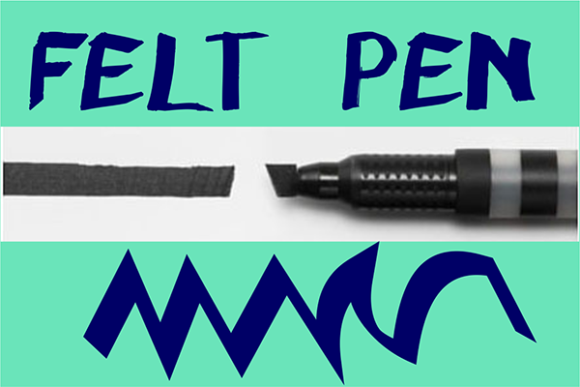
As a designer who regularly crafts packaging for small-batch candle makers, I was eager to test Felt Pen on a recent label project. This display font has a bold, brushed texture that gives off a handcrafted, slightly edgy vibe. When I applied it to a kraft paper candle label, the font immediately stood out—clean yet expressive, modern yet rustic. The uniquely shaped letters made the product name feel more intentional and memorable. I found that Felt Pen works best for short phrases, like product names or scent descriptions, rather than lengthy content. It’s perfect for when you want your text to be part of the design, not just informational.
Felt Pen Shines in Wedding Invitations and Elegant Branding
One of my favorite uses for Felt Pen came up during a wedding stationery project. I was designing a minimalist invitation suite with a neutral color palette and wanted a font that could serve as a focal point. Using Felt Pen for the couple’s names gave the design a modern, artistic flair. The font’s imposing structure balanced beautifully with a clean sans serif for the event details. Since Felt Pen is a display font, it’s ideal for titles and key names in wedding materials—think welcome signs, seating charts, or save-the-date cards. It adds a level of sophistication without feeling overly formal, which is perfect for couples going for a contemporary or semi-casual aesthetic.
How Felt Pen Enhances Printable Wall Art and Planner Pages
For digital product creators, Felt Pen offers a unique texture that brings printable wall art and planner pages to life. I used it in a set of motivational quote prints, and the brushed strokes gave the words a tactile, almost painterly feel. Because of its character, it pairs well with simple backgrounds and subtle watercolor textures. When designing weekly planner templates, I used Felt Pen sparingly—mostly for headers or weekly focus words. It’s not ideal for body text due to its decorative nature, but as a highlight font, it’s incredibly effective. The font’s visual rhythm helps draw the eye and makes the layout feel more curated.
Felt Pen Works for Boutique Tags, Seasonal Stickers, and Merchandise Design
If you sell boutique product tags or seasonal stickers, Felt Pen can be a standout choice. I tested it on a set of holiday gift tags and saw how its brushed strokes gave the design a handmade charm. It also looked great on a sticker sheet for planners and bullet journals—especially when used for small phrases like “New Beginnings” or “Gratitude.” For boutique tags, this display font adds a boutique-level finish, especially when printed on recycled paper or kraft cardstock. I also tried it on a tote bag mockup, and the font held up well at larger sizes. However, I wouldn’t recommend it for very small cuts on a Cricut or Silhouette machine, as the fine details can get lost at under 12pt.
Pairing Felt Pen with Other Fonts for Balanced Typography
One of the most important things I discovered while working with Felt Pen is how well it pairs with other typefaces. Since it’s a bold, decorative display font, it needs a visual counterbalance. I often combined it with a clean sans serif like Montserrat or a soft serif like Playfair Display. For digital templates, I used it with a simple script font for subheadings, which created a lovely contrast without overwhelming the layout. If you’re designing product packaging or greeting cards, try using Felt Pen for the main title and a more legible font for supporting text. This creates a professional, layered look while maintaining readability.