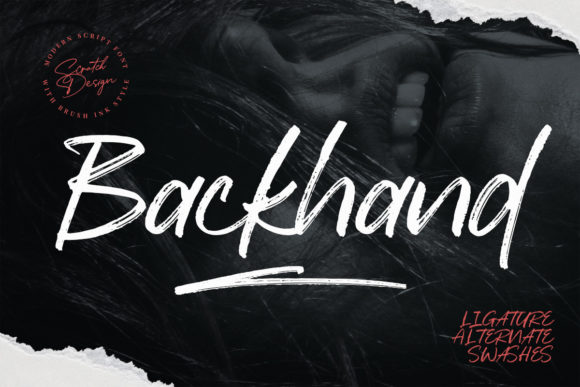
Backhand: A Stylish Script Handwritten Font for Campaigns
I was staring at a blank canvas in my design software, trying to finalize the hero image for a client's upcoming boutique wedding service launch. The campaign needed to feel intimate and personal, yet polished enough for a high-end digital ad set. I had tried three different sans serif fonts that felt too corporate, and two decorative scripts that were illegible on mobile screens. That’s when I pulled up Backhand, a brushed and stylish handwritten font, to see if it could bridge the gap between casual warmth and professional elegance. As I typed out the headline "Your Dream Day Starts Here," the texture of the strokes immediately shifted the mood of the entire graphic. It wasn't just another script handwritten option; it felt like a genuine signature, instantly adding a layer of authenticity that generic typefaces often miss.
Backhand for Wedding Invitations and Elegant Branding
When you are designing assets where emotion drives the conversion, Backhand performs exceptionally well as a primary display font. In my workflow, I found that this specific style of Script Handwritten typography excels when applied to wedding invitations, thank you cards, and greeting cards. The brushed texture mimics the natural variation of ink on paper, which is crucial for campaigns targeting couples planning their special day. Unlike rigid calligraphy fonts that can look robotic, Backhand maintains a fluid rhythm that suggests a personal touch from the designer or the couple themselves.
For branding purposes, using Backhand on logos and business cards creates an immediate association with craftsmanship and bespoke services. If your brand identity relies on human connection—whether it's a florist, a wedding planner, or a custom jewelry maker—this font acts as a visual handshake. It signals to the audience that the business values detail and artistry. However, because it is a display font, it works best as a focal point rather than body copy. In a recent project, I used Backhand for the main logo mark on a business card mockup, pairing it with a clean, minimal sans serif for the contact details. The contrast made the brand name pop while ensuring the practical information remained readable.
Using Backhand for Social Media Quotes and Engagement
In the fast-paced environment of social media marketing, stopping the scroll is half the battle. When creating Instagram posts, Pinterest pins, or YouTube thumbnail sets, Backhand offers a distinct advantage for quote graphics and short-form content. I tested this by overlaying the font on a series of lifestyle photography backgrounds intended for a motivational content series. The result was striking; the handwritten nature of the font drew the eye immediately to the text, making the message feel more like a personal note from a friend than a broadcast advertisement.
One of the key strengths of Backhand in this context is its versatility across different platforms. On Instagram Stories, where space is limited and attention spans are short, the font's legibility holds up surprisingly well even at smaller sizes, provided the background isn't too chaotic. For YouTube thumbnails, I used Backhand to highlight the emotional hook of the video title, such as "My Biggest Mistake" or "The Secret to Success." The organic strokes of the font added a sense of vulnerability and honesty that resonated with viewers, potentially increasing click-through rates by making the content feel more authentic. Just remember that while Backhand is stunning on quotes, it should be reserved for short phrases. Long paragraphs of text will lose their impact and become difficult to read quickly on a feed.
Backhand for Logos and Business Card Design
Building a cohesive brand identity often starts with how your name looks on a logo or a business card. Backhand is a powerful tool for entrepreneurs and small business owners looking to establish a unique visual voice without hiring a custom lettering artist. When I reviewed the font within the context of logo design, I noticed how the brushed edges add depth and character, preventing the logo from feeling flat or overly digital. This makes it an excellent choice for creative industries, lifestyle brands, and boutique shops where personality is a key selling point.
However, there are strategic considerations when using Fonts like Backhand for official business materials. While it looks amazing on a digital business card or a website header, you must ensure that the file formats included support vector scaling if you plan to use it for large-scale printing or merchandise. Always check the commercial font licensing before integrating Backhand into client campaigns or products you intend to sell. Additionally, consider the weight of the stroke; if your logo needs to be embroidered on clothing or stamped on packaging, the finest details of the brush strokes might need slight adjustment depending on the production method. For most digital-first brands, though, Backhand provides a premium look that elevates the perceived value of the brand instantly.
Optimizing Backhand for Digital Ads and Mobile Readability
As a strategist, I know that a beautiful font is useless if it doesn't convert on a mobile screen. When setting up a digital ad layout or an email promotion banner, readability is paramount. Backhand strikes a balance between style and clarity, but it requires careful placement. In my testing, the font performed best when used for headlines and call-to-action buttons rather than dense informational blocks. The natural flow of the letters guides the reader's eye smoothly, which is essential for keeping users engaged with your message.
To maximize visibility, I recommend pairing Backhand with a high-contrast background. Dark backgrounds with light-colored text (or vice versa) help the brushed texture stand out against the noise of a newsfeed. When designing for mobile previews, keep the text size generous. Because Backhand is a script handwritten font, the ascenders and descenders can sometimes get lost if the text is too small or if the image has too much visual clutter. For email promotions, use Backhand for the subject line preview or the main offer headline to grab attention before the user even opens the email. It adds a touch of sophistication that separates your campaign from the sea of blocky, standard fonts competitors are using. Just avoid using it for pricing tables, legal disclaimers, or any section requiring precise data entry, as the stylistic flourishes can hinder quick scanning.
Strategic Font Pairing and Licensing for Professional Use
No font exists in a vacuum, and the true power of Backhand is unlocked when paired correctly with other typefaces. To maintain a modern typography system, I consistently pair this script with a neutral sans serif font for body text. This combination creates a clear visual hierarchy where Backhand captures attention as the headline, and the sans serif ensures the rest of the content is easily digestible. You could also experiment with a classic serif font for a more editorial look, particularly for print designs like thank you cards or high-end brochures. The goal is to let Backhand shine as the star of the show while supporting fonts handle the heavy lifting of information delivery.
Before finalizing your design assets, always verify the technical specifications of the font files. Check if the package includes alternates, ligatures, or multiple weights that can add variety to your campaign visuals without needing to download additional resources. Multilingual support is another critical factor if your target audience is global; ensure the character set covers all the languages you need for your ads and website banners. Finally, never overlook the importance of commercial font licensing. Whether you are designing for a client, creating templates for sale, or building your own online shop campaign, having the right license protects you legally and ensures you can use Backhand freely across all your marketing channels. By treating this font as a strategic asset rather than just a decorative element, you can create campaigns that not only look stunning but also connect deeply with your audience.